10 Tips from the World Health Organization for Expectant Mothers
Pregnancy is a time of profound change—physically, emotionally, and nutritionally. The choices an expectant mother makes during these months can have lasting effects on her health and that of her baby. According to the World Health Organization (WHO), maintaining good nutrition during pregnancy not only supports fetal growth and development but also reduces the risk of complications such as low birth weight, preterm birth, and maternal anemia. Below are ten science-based recommendations from the WHO to help expectant mothers achieve optimal health throughout pregnancy.
1. Eat a Variety of Nutritious Foods
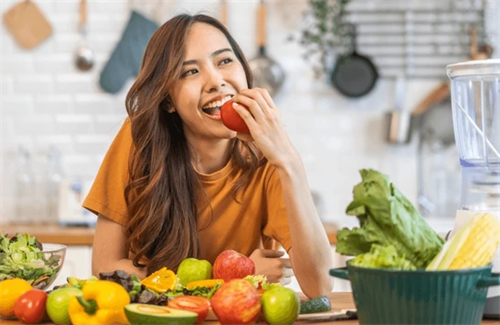
A balanced diet should include a wide range of foods from different food groups—whole grains, fruits, vegetables, protein-rich foods, and dairy or alternatives. Diversity ensures the mother receives essential nutrients such as vitamins, minerals, fiber, and healthy fats. WHO emphasizes that pregnant women should aim for colorful plates, as different colors often indicate different nutrient types.
2. Increase Caloric Intake Gradually
While “eating for two” is a common saying, it’s not entirely accurate. Caloric needs only increase slightly during pregnancy—by about 200–300 extra calories per day in the second and third trimesters. These calories should come from nutrient-dense foods rather than sugary snacks or processed foods.
3. Focus on Iron and Prevent Anemia
Iron supports the increased production of blood during pregnancy. WHO recommends that pregnant women consume iron-rich foods such as lean red meat, poultry, fish, lentils, beans, and fortified cereals. Pairing these with vitamin C–rich foods (like citrus fruits or tomatoes) enhances absorption. In many countries, WHO also advises taking daily iron and folic acid supplements to prevent anemia and birth defects.
4. Ensure Adequate Folic Acid Intake
Folic acid, a B-vitamin, is essential for preventing neural tube defects in the baby’s brain and spine. The WHO recommends that women take 400 micrograms of folic acid daily, starting as early as possible—ideally before conception and throughout the first trimester. Natural sources include leafy greens, oranges, and legumes, but supplements are often necessary to meet the full requirement.
5. Consume Enough Calcium and Vitamin D
Calcium helps build the baby’s bones and teeth, while vitamin D supports calcium absorption. WHO encourages expectant mothers to consume dairy products, fortified soy or almond milk, small fish with edible bones (like sardines), and leafy greens. Safe exposure to sunlight can also help maintain adequate vitamin D levels.
6. Stay Hydrated
Water plays a crucial role in forming amniotic fluid, supporting digestion, and preventing constipation—a common issue during pregnancy. WHO suggests drinking 8–10 glasses of water daily. Herbal teas and soups can also contribute to overall fluid intake, but sugary or caffeinated drinks should be limited.
7. Limit Salt and Processed Foods
High salt intake can contribute to high blood pressure and fluid retention. Expectant mothers are encouraged to cook fresh meals and minimize consumption of processed or fast foods, which often contain excessive sodium and unhealthy fats.
8. Avoid Alcohol and Tobacco
No level of alcohol consumption is considered safe during pregnancy. Alcohol can lead to fetal alcohol spectrum disorders, while tobacco increases the risk of miscarriage, premature birth, and low birth weight. WHO strongly advises abstaining from both alcohol and smoking throughout pregnancy.
9. Practice Safe Food Hygiene
Pregnancy slightly weakens the immune system, making foodborne infections more likely. To reduce risk, WHO recommends washing fruits and vegetables thoroughly, cooking meat and eggs completely, and avoiding unpasteurized milk and soft cheeses. Safe food preparation and storage are essential to protect both mother and baby.
10. Maintain Regular Health Checkups
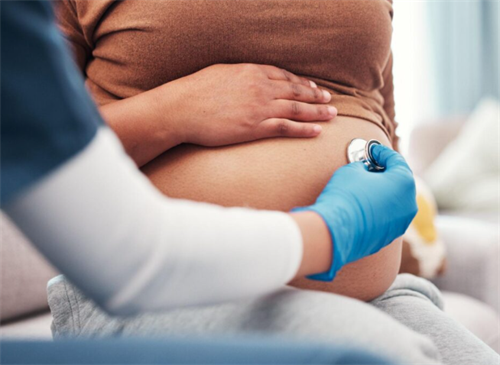
Regular antenatal visits allow healthcare providers to monitor maternal weight, blood pressure, and overall nutrition. WHO advises that expectant mothers receive at least eight antenatal contacts during pregnancy to ensure early detection and management of health concerns.
Good nutrition during pregnancy is not about following strict rules—it’s about balance, awareness, and consistency. By following the WHO’s recommendations, expectant mothers can provide the best foundation for their babies’ development while supporting their own well-being.