A Single Injection to Repair the Heart? Deep Analysis of the Latest Advances in Global Gene-Editing Therapies
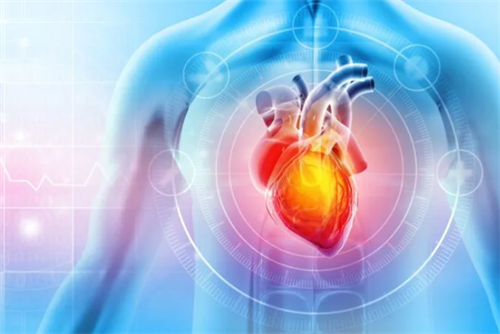
Gene editing has moved rapidly from bench science to early clinical experiments. The dream of a one-time injection that permanently fixes damaged heart tissue is now technically plausible in several different ways—but important biological, delivery, safety and regulatory hurdles remain.
Three technical routes to “one-shot” cardiac repair:
Broadly, researchers are pursuing three approaches that could be achieved with a single in-patient infusion or localized injection:
1. In vivo correction of disease genes in cardiomyocytes — using base editors or prime editors to directly correct pathogenic variants inside heart muscle cells. Preclinical work shows efficient correction in mice and larger animals when editors are delivered to the heart. This class of work has advanced rapidly thanks to engineered editors and cardiotropic delivery systems.
2. In vivo reprogramming/regeneration — converting resident non-muscle cells (for example, cardiac fibroblasts) into functional cardiomyocytes by delivering reprogramming factors or gene regulators. Several groups have reported restored function in rodent models after local AAV-based delivery.
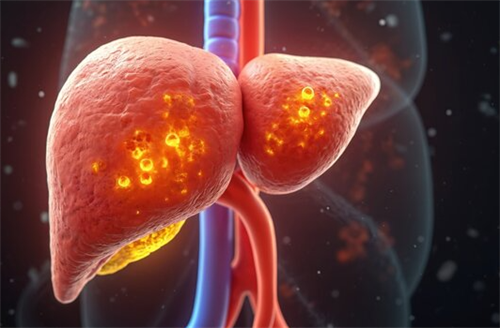
3. Indirect systemic approaches that reduce heart-disease drivers — editing liver genes to lower cholesterol (a systemic cardiovascular risk factor) is already in human trials and demonstrates the idea that a single systemic infusion can produce long-term cardiovascular benefit, though not direct myocardial repair. This concept reduces downstream heart damage and is complementary to direct cardiac editing.
How are editors delivered in a single shot?
Delivery is the practical linchpin. Two major platforms are in use: viral vectors (especially adeno-associated viruses, AAV) and non-viral systems (lipid nanoparticles or engineered capsids). Recent engineering of AAV capsids and promoters has improved cardiac tropism and allowed higher editing efficiency in cardiomyocytes and cardiac fibroblasts after a single injection. However, dosing, pre-existing immunity to capsids, and payload size constraints (particularly for large prime editors) are ongoing technical obstacles.
What the data say: efficacy and limits
Animal studies report promising functional rescue—improved ejection fraction, reduced fibrosis, and altered disease biomarkers—after one localized or systemic administration. Notably, researchers have demonstrated striated-muscle specific base editing using AAVMYO and have established in-vivo cardiac prime-editing platforms that partially reverse disease phenotypes in mice. These results prove concept but often use high vector doses and young animals, so translation to adult human hearts is not yet straightforward.
Safety, durability and regulatory considerations:
Safety questions dominate: off-target edits, immune reactions to delivery vehicles or editors, insertional mutagenesis risk, and the irreversibility of permanent edits. Long-term follow-up is required to detect late effects. Regulators are proceeding cautiously—early human trials (for non-cardiac targets) emphasize balance between potential one-time benefit and unknown lifelong risks. Clinical translation for direct heart repair will need rigorous demonstration of predictable editing outcomes, safe delivery at clinically acceptable doses, and robust manufacturing standards.
what to expect in the next 3–7 years:
Expect iterative progress: improved cardiotropic vectors, smaller and more precise editors, and careful first-in-human trials for monogenic cardiac diseases (where risk–benefit is clearest). Systemic “single-infusion” successes in the liver show the regulatory path is possible, but direct myocardial repair is likely to arrive later because of delivery and safety complexity. Still, hybrid strategies—combining a single systemic edit to lower risk factors with a local cardiac-targeted edit—could emerge as a pragmatic early clinical pathway.
Recommended for you: