Guidelines for the Prevention and Treatment of Fatty Liver Disease
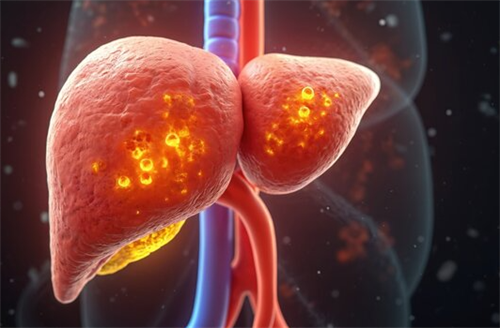
Fatty liver disease has become one of the most common liver conditions worldwide, affecting nearly one in three adults. It occurs when excess fat builds up in liver cells and can lead to inflammation, liver damage, and even cirrhosis if left untreated. The condition is broadly classified into two types: non-alcoholic fatty liver disease (NAFLD), which is unrelated to alcohol use, and alcohol-related fatty liver disease (AFLD), caused by excessive drinking.
In recent years, the World Health Organization (WHO) and leading health authorities such as the American Association for the Study of Liver Diseases (AASLD) and the European Association for the Study of the Liver (EASL) have emphasized the importance of early prevention and lifestyle management. Below are key global recommendations for maintaining liver health and managing fatty liver disease effectively.
1. Maintain a Healthy Body Weight
The strongest predictor of fatty liver disease is excess body weight. Studies show that even a 5–10% reduction in body weight can significantly decrease liver fat and inflammation. International guidelines recommend combining a balanced diet with regular physical activity to achieve gradual, sustainable weight loss rather than rapid dieting, which can worsen liver stress.
2. Adopt a Balanced, Mediterranean-Style Diet
The Mediterranean diet is widely recognized as one of the best eating patterns for liver health. It emphasizes whole grains, vegetables, fruits, legumes, nuts, olive oil, and lean proteins such as fish and poultry. Limiting red meat, processed foods, and sugary beverages helps reduce liver fat accumulation. Diets rich in antioxidants—such as vitamins E and C—also help protect liver cells from damage.
3. Limit Sugar and Refined Carbohydrates
Excessive intake of added sugars, especially fructose from sweetened drinks, is strongly linked to fatty liver disease. WHO recommends keeping free sugar intake below 10% of total daily calories, and ideally below 5%. Cutting back on sweets, pastries, soft drinks, and white bread can reduce liver fat and improve insulin sensitivity.
4. Engage in Regular Physical Activity
Exercise is one of the most effective non-drug therapies for fatty liver disease. Global guidelines suggest at least 150 minutes of moderate-intensity aerobic exercise per week, such as brisk walking, cycling, or swimming, along with muscle-strengthening activities twice weekly. Physical activity helps burn liver fat and improves metabolic health—even without significant weight loss.
5. Avoid Excessive Alcohol Consumptio
Alcohol is a major contributor to liver damage. For individuals with fatty liver disease, experts recommend complete abstinence from alcohol, as even small amounts can worsen inflammation and scarring. For those without the disease, WHO advises keeping alcohol intake within safe limits—if consumed at all.
6. Manage Blood Sugar, Cholesterol, and Blood Pressure
Fatty liver disease is often linked to metabolic conditions such as type 2 diabetes, high cholesterol, and hypertension. Regular monitoring and early management of these factors are critical. A diet low in saturated fats, coupled with medical supervision, helps prevent progression to liver fibrosis or cirrhosis.
7. Be Cautious with Medications and Supplements
Certain medications and herbal supplements can be toxic to the liver. Patients are advised to consult healthcare professionals before using any over-the-counter products or supplements. Global health agencies stress the importance of transparency—always informing doctors about any substances being taken.
8. Prioritize Sleep and Mental Well-Being
Chronic stress, poor sleep, and depression can indirectly affect liver health through hormonal and metabolic changes. Adopting relaxation techniques, mindfulness, or yoga can support both mental and physical wellness. WHO highlights sleep hygiene—maintaining 7–9 hours of quality sleep per night—as part of a comprehensive lifestyle approach.
9. Get Regular Medical Checkups
Early detection of fatty liver disease is key. Routine liver enzyme tests and imaging (such as ultrasound or FibroScan) can identify early changes before symptoms appear. Global guidelines recommend that high-risk individuals—those with obesity, diabetes, or metabolic syndrome—undergo annual liver assessments.
10. Seek Medical Treatment When Necessary
While lifestyle modification is the foundation of management, some patients may require medication. Emerging therapies target insulin resistance, inflammation, and fibrosis. WHO and liver associations recommend that treatment always be supervised by a healthcare professional, as ongoing research continues to refine medical options.
Fatty liver disease is largely preventable through healthy living and early intervention. By maintaining a balanced diet, exercising regularly, limiting alcohol and sugar intake, and monitoring metabolic health, individuals can significantly lower their risk.
Recommended for you: