Understanding HPV: More Than Just Cervical Cancer — Essential Vaccine Knowledge for Both Men and Women
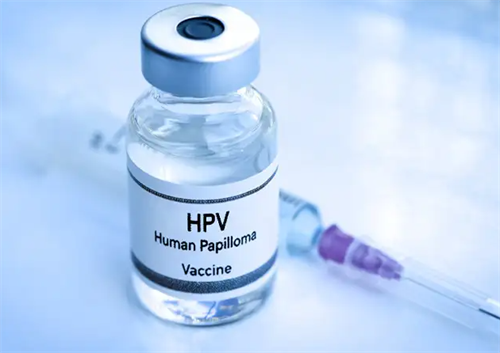
When most people hear about HPV, they immediately think of cervical cancer. While that link is well known, the truth is that the human papillomavirus (HPV) is much broader in scope — and it affects both men and women. HPV is one of the most common sexually transmitted infections in the world, and although many infections clear on their own, some can lead to serious health problems, including several types of cancer. The good news is that these risks can be significantly reduced through vaccination and awareness.
What Exactly Is HPV?
HPV is not a single virus but a group of more than 200 related viruses, some of which cause skin warts and others that infect the genital area and throat. It spreads primarily through sexual contact, including vaginal, anal, and oral sex. Because the infection often causes no immediate symptoms, most people who contract HPV don’t even realize it.
In most cases, the body’s immune system clears the infection naturally within a year or two. However, certain “high-risk” HPV types can persist and eventually lead to more serious conditions. These include:
Cervical cancer in women;
Anal, penile, vulvar, and vaginal cancers;
Throat (oropharyngeal) cancers in both men and women;
Genital warts, which are non-cancerous but can cause emotional and physical discomfort;
Why HPV Matters for Everyone?
HPV is often seen as a women’s health issue, largely because of its connection to cervical cancer. Yet, it’s important to recognize that HPV infections affect both sexes. In fact, HPV-related throat cancer has been rising steadily among men in recent years, surpassing cervical cancer rates in some regions.
For women, HPV remains the leading cause of cervical cancer, a disease that claims hundreds of thousands of lives each year worldwide. Regular Pap smears and HPV testing are vital in detecting early changes that can be treated before they develop into cancer.
For men, there is no routine HPV screening test, which makes vaccination even more important. Men can carry and transmit the virus without symptoms, contributing to its spread and increasing their own risk of developing HPV-related cancers later in life.
The HPV Vaccine: A Powerful Tool for Prevention
The HPV vaccine is one of the most effective ways to prevent infection from the most harmful types of HPV. It works by training the immune system to recognize and fight the virus before it can cause disease.
The most widely used vaccine today, Gardasil 9, protects against nine major HPV types — including the seven most likely to cause cancer and the two responsible for most cases of genital warts. Studies have shown it provides over 90% protection against HPV-related cancers and lesions when given before exposure to the virus.
Who should get vaccinated?
-Children and adolescents (ages 9–12): The ideal age for vaccination, as it offers the best immune response before potential exposure to HPV.
-Teens and young adults (ages 13–26): Those who haven’t yet been vaccinated can still benefit greatly.
-Adults (ages 27–45): In some cases, vaccination can still be helpful after consultation with a healthcare provider.
Crucially, the vaccine is recommended for both boys and girls. Vaccinating boys not only protects them but also helps reduce overall HPV transmission, contributing to herd immunity.
Dispelling Common Myths:
There are still misconceptions surrounding the HPV vaccine, but the evidence is clear:
It’s not just for women. HPV can cause cancers in men as well, and vaccination helps prevent these.
It doesn’t encourage early sexual activity. Research consistently shows no connection between receiving the HPV vaccine and changes in sexual behavior.
It’s safe. The HPV vaccine has been extensively tested and monitored. Reported side effects, like mild soreness or fatigue, are temporary and far outweighed by the benefits.
Staying Protected Beyond the Vaccine:
While the HPV vaccine is highly effective, it doesn’t protect against all HPV types. Women should continue regular Pap and HPV screening as recommended. Practicing safe sex—using condoms and limiting the number of sexual partners—can also reduce risk, though HPV can still spread through skin contact in uncovered areas.
HPV is one of the most common infections in the world, but it’s also one of the most preventable causes of cancer. By increasing awareness, encouraging vaccination, and continuing regular health screenings, both men and women can take powerful steps to protect themselves and their partners.
Recommended for you: