Five Leading Oncologists Discuss the Future Directions of Cancer Treatment in the Next Five Years
As cancer treatment continues to evolve, technological innovation, precision medicine, and global collaboration are reshaping the field of oncology. To gain insight into where cancer care is heading, five leading oncologists from around the world share their perspectives on the most promising directions for the next five years. From advances in immunotherapy to AI-driven diagnostics, their insights reveal a future marked by personalization, accessibility, and innovation.
1. Immunotherapy Expands Beyond the Frontier
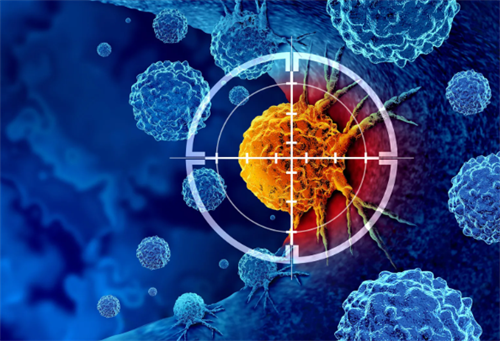
Dr. Maria González, a medical oncologist at the National Cancer Institute of Spain, emphasizes that immunotherapy remains the most transformative force in oncology. “Checkpoint inhibitors and CAR-T cell therapies have already changed the lives of patients with advanced melanoma and lymphoma,” she explains. “But over the next five years, we’ll see these treatments applied to more solid tumors like pancreatic and ovarian cancers.”
According to Dr. González, new generations of immune-modulating drugs will focus on enhancing the body’s natural defense mechanisms while minimizing immune-related side effects. “We are learning how to predict which patients will respond to immunotherapy by analyzing immune signatures and tumor microenvironments,” she adds. “That predictive ability will make treatments far more effective and safer.”
2. Precision Medicine Guided by Artificial Intelligence
For Dr. David Liu, a leading oncologist and researcher at the University of Toronto, the future of oncology is inseparable from artificial intelligence (AI). “AI is already helping us interpret genomic data faster than ever before,” he says. “In the near future, machine learning models will recommend personalized treatment combinations based on each patient’s tumor biology, treatment history, and lifestyle factors.”
AI will also accelerate drug discovery. “By simulating how drugs interact with cancer mutations, AI systems can identify promising molecules in weeks rather than years,” Dr. Liu notes. “This will dramatically shorten the path from lab to clinic.”
He foresees that AI-assisted radiology and pathology will soon become the norm, reducing diagnostic errors and allowing earlier intervention. “The combination of human expertise and AI precision will lead to earlier diagnoses and better outcomes,” he concludes.
3. Next-Generation Screening and Early Detection
Dr. Aisha Rahman, an oncologist at King’s College Hospital in London, stresses that prevention and early detection will receive increasing attention. “We now know that catching cancer early is the single most effective way to improve survival rates,” she explains. “In the next five years, liquid biopsies—simple blood tests that detect cancer DNA fragments—will become widely available.”
These non-invasive tools will revolutionize cancer screening for high-risk populations. “Instead of waiting for symptoms, we can monitor people proactively,” Dr. Rahman says. “This approach could detect cancers like lung or colorectal at a stage where they are still curable.”
Advancements in wearable health devices will also contribute. “We’re seeing the first generation of smartwatches capable of detecting biochemical changes that could indicate early disease. Integrating this data into healthcare systems will be a major step forward.”
4. Gene Editing and Personalized Therapies
According to Dr. Kenji Watanabe of Kyoto University Hospital, gene editing is moving from theory to clinical reality. “CRISPR and other gene-editing technologies are giving us tools to directly target the genetic mutations that drive cancer,” he explains.
He predicts that in the next five years, small-scale personalized therapies—where treatments are designed around a patient’s unique genetic profile—will become more feasible. “The cost of genome sequencing is dropping, and we’re learning how to use that data in real time,” Dr. Watanabe says. “The result will be highly targeted therapies with fewer side effects and higher efficacy.”
He also envisions combining gene editing with immunotherapy to “reprogram” immune cells, enhancing their ability to recognize and destroy cancer cells more efficiently.
5. Global Collaboration and Data Sharing
Dr. Elizabeth Carter, director of the Global Oncology Initiative at Johns Hopkins University, believes that collaboration will define the next era of cancer treatment. “No single institution or country can solve the cancer challenge alone,” she says. “The next five years will see unprecedented sharing of patient data, clinical trial results, and AI models across borders.”
Such collaboration will improve treatment access in low- and middle-income countries. “Digital platforms can connect oncologists worldwide, allowing them to share insights instantly,” Dr. Carter adds. “Global data integration will accelerate discoveries and make cutting-edge treatments more equitable.”
Together, these experts agree that the coming five years will redefine cancer care through integration—of data, disciplines, and global efforts. Advances in AI, immunotherapy, genetic engineering, and early detection promise not only more effective treatments but also a shift toward prevention and long-term management.
Recommended for you: