The Season of High Incidence of Pink Eye Approaches: How to Effectively Prevent and Deal With It?
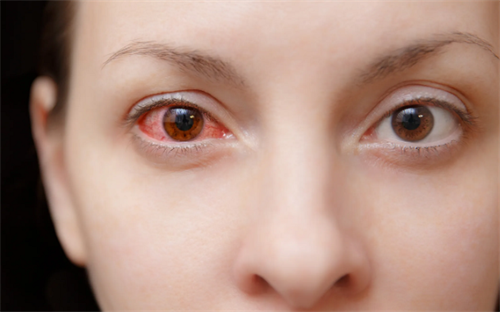
As the seasons change—particularly from late summer to early fall—many people start to experience itchy, red, and watery eyes. Often, this isn’t just seasonal allergies at work. It could be conjunctivitis, more commonly known as pink eye. During this period, cases tend to rise due to fluctuating weather, increased allergens, and the spread of infectious agents in schools, workplaces, and public spaces.
What Is Pink Eye?
Pink eye refers to inflammation of the conjunctiva, the thin, transparent layer covering the white part of the eye and the inner surface of the eyelids. This inflammation causes the small blood vessels in the conjunctiva to dilate, making the eye appear pink or red.
There are three major types of pink eye:
Viral conjunctivitis – The most common form, often associated with cold-like symptoms. It’s highly contagious and can spread through coughing, sneezing, or touching contaminated surfaces.
Bacterial conjunctivitis – Caused by bacteria such as Staphylococcus aureus or Streptococcus pneumoniae. It often produces a thick yellow or green discharge and can also spread easily.
Allergic conjunctivitis – Triggered by allergens like pollen, dust mites, or pet dander. It’s not contagious but can cause intense itching, tearing, and swelling.
Why Is Pink Eye More Common in Certain Seasons?
Seasonal factors play a major role in the rise of pink eye cases. In warmer months, people spend more time outdoors or in close contact environments such as swimming pools, where viruses and bacteria can spread quickly. As autumn approaches, dry air, increased pollen, and indoor crowding (especially in schools) create ideal conditions for outbreaks.
Children are particularly vulnerable because they often touch their eyes without washing their hands, share personal items, and may not yet have strong hygiene habits.
How to Prevent Pink Eye?
Prevention starts with good hygiene and healthy habits. Here are the most effective steps:
1. Wash your hands frequently: Regular handwashing with soap and water—especially before touching your eyes—dramatically reduces the risk of infection.
2. Avoid touching or rubbing your eyes: This simple step prevents viruses and bacteria from entering the conjunctiva.
3. Don’t share personal items: Towels, pillows, eye drops, or cosmetics should never be shared, as they can carry infectious agents.
4. Disinfect surfaces regularly: Especially in households with children or shared environments like offices, keeping commonly touched surfaces clean helps prevent transmission.
5. Maintain eye cleanliness: If you wear contact lenses, clean them properly and avoid wearing them for too long. Replace the lens case regularly.
6. Protect your eyes outdoors: Sunglasses can help reduce exposure to dust, pollen, and other irritants that can trigger allergic conjunctivitis.
How to Manage Pink Eye at Home?
If you suspect pink eye, the first step is to identify the cause. Allergic conjunctivitis can often be managed with over-the-counter antihistamine eye drops and by avoiding allergens. For mild viral cases, symptoms usually improve within one to two weeks with self-care measures such as:
Applying a cool, clean compress to reduce swelling and discomfort.
Using artificial tears to relieve dryness and irritation.
Maintaining strict hygiene, including frequent handwashing and changing pillowcases daily.
However, if symptoms worsen—such as persistent pain, vision changes, or thick discharge—it’s important to see an eye doctor promptly. Bacterial conjunctivitis may require prescription antibiotic eye drops or ointments to clear the infection and prevent complications.
When to Seek Medical Attention?
While pink eye is often mild, certain symptoms signal the need for professional care:
Severe eye pain or light sensitivity;
Blurred or reduced vision;
Persistent redness beyond two weeks;
Green or yellow discharge causing eyelid crusting;
Symptoms following eye injury or chemical exposure;
An ophthalmologist can determine whether the condition is viral, bacterial, or allergic and provide appropriate treatment.
Pink eye may be common, but it’s also highly preventable. As the high-incidence season approaches, staying mindful of personal hygiene, protecting your eyes from irritants, and acting promptly at the first sign of symptoms can make all the difference.
Recommended for you: