Decoding “Sugar-Free” Beverages: Are Artificial Sweeteners Really Healthy?
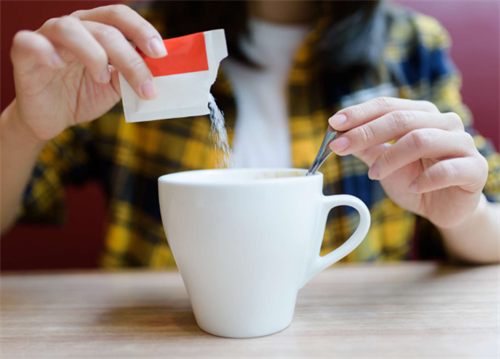
In recent years, sugar-free beverages have flooded supermarket shelves, promising the sweet taste we love without the extra calories. From diet sodas to flavored sparkling waters, these drinks often rely on artificial sweeteners to replace sugar. But with conflicting headlines about their safety and health effects, many people are left wondering: Are sugar-free drinks really a healthier choice, or do they come with hidden risks?
What Are Artificial Sweeteners?
Artificial sweeteners are synthetic sugar substitutes that provide sweetness without—or with very few—calories. Common types include:
Aspartame – Found in many diet sodas and low-calorie beverages
Sucralose – Often used in baked goods and drinks
Saccharin – One of the oldest artificial sweeteners, used in tabletop sweeteners
Acesulfame potassium (Ace-K) – Frequently combined with other sweeteners in beverages
Stevia – A plant-based sweetener considered “natural” but still processed for use in foods and drinks
These sweeteners are hundreds to thousands of times sweeter than sugar, so only small amounts are needed to achieve the desired taste.
Potential Benefits of Sugar-Free Drinks:
1. Lower Calorie Intake
Replacing sugary beverages with sugar-free alternatives can reduce overall calorie consumption, which may support weight management. For individuals trying to control blood sugar, these beverages do not cause the rapid glucose spikes associated with regular soda.
2. Reduced Risk of Tooth Decay
Sugar is a primary contributor to cavities. By eliminating sugar, sugar-free drinks can help protect dental health, particularly when consumed instead of regular sodas or sweetened juices.
3. Convenience for Diabetes Management
For people with diabetes, sugar-free beverages offer a sweet option without dramatically affecting blood glucose levels. However, it’s still important to monitor overall diet and carbohydrate intake.
The Health Concerns You Should Know About:
While artificial sweeteners are generally considered safe by major health authorities, including the U.S. Food and Drug Administration (FDA) and European Food Safety Authority (EFSA), some studies suggest potential drawbacks:
1. Impact on Gut Health
Some research indicates that certain artificial sweeteners, particularly sucralose and saccharin, may alter gut bacteria in ways that could affect metabolism and glucose tolerance. However, findings are mixed, and more research is needed to draw firm conclusions.
2. Appetite and Cravings
Some studies suggest that consuming sweet-tasting, calorie-free beverages may increase cravings for sugary or high-calorie foods, potentially offsetting the calorie reduction from the drink itself.
3. Long-Term Health Questions
Although current evidence shows no direct link between approved artificial sweeteners and cancer in humans, long-term studies are ongoing. Some individuals also report sensitivity to sweeteners, experiencing headaches or digestive discomfort.
Tips for Choosing and Consuming Sugar-Free Beverages:
1. Read Labels Carefully
Check for the type and amount of sweetener used. Some beverages combine multiple sweeteners, which may affect taste or tolerance.
2. Moderation Is Key
Even sugar-free drinks should be consumed in moderation. Water, herbal teas, and unsweetened beverages remain the best daily choices.
3. Be Mindful of Other Ingredients
Some diet drinks contain sodium, caffeine, or artificial flavorings. Keep an eye on these, especially if you consume beverages frequently.
4. Pay Attention to Your Body
If you notice headaches, bloating, or digestive discomfort after consuming certain sweeteners, consider reducing intake or switching to alternatives like lightly sweetened fruit water or naturally flavored teas.
Sugar-free beverages can be a useful tool for reducing calorie intake, protecting dental health, and helping manage blood sugar. However, they are not a “magic solution” for weight loss or overall health. Potential effects on appetite, gut bacteria, and long-term health are still under investigation, and moderation is essential.
Recommended for you: