Mosquitoes, Ticks and Health: How to Prevent Vector-Borne Diseases?
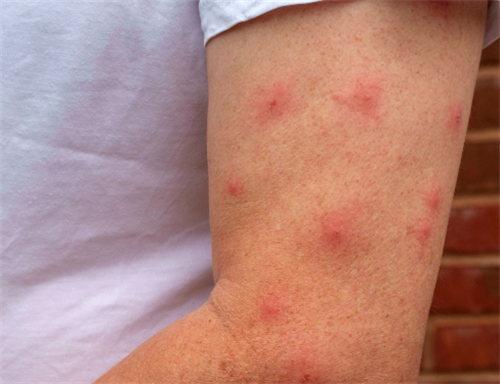
Mosquitoes and ticks are more than just summertime nuisances—they are among the world’s most dangerous animals. Each year, vector-borne diseases transmitted by these small creatures affect hundreds of millions of people, causing illnesses such as malaria, dengue fever, Zika, Lyme disease, and many others. As the climate warms and global travel increases, these diseases are spreading to new regions, making prevention more important than ever.
The good news is that with the right knowledge and habits, most vector-borne infections can be effectively avoided. Here’s what science—and global health organizations like the World Health Organization (WHO) and the U.S. Centers for Disease Control and Prevention (CDC)—teach us about staying safe.
1. Understanding How Vector-Borne Diseases Spread
A “vector” is any organism that transmits disease from one host to another, and mosquitoes and ticks are the most common examples. Mosquitoes can carry viruses and parasites, such as those that cause malaria, dengue, and Zika. When they bite, they inject these pathogens directly into the bloodstream.
Ticks, on the other hand, transmit bacteria and viruses such as Borrelia burgdorferi (the cause of Lyme disease) or tick-borne encephalitis virus. Because they feed for long periods—sometimes days—ticks have more time to pass infectious agents to their hosts.
These diseases can affect anyone, regardless of age or health status, and often thrive in warm, humid, or forested environments. Recognizing this mechanism is the first step toward effective prevention.
2. Reduce Exposure: Your First Line of Defense
Avoiding bites is the most direct and reliable way to prevent vector-borne diseases. When outdoors, especially in mosquito- or tick-prone areas, wear long-sleeved shirts, long pants, and light-colored clothing to make it easier to spot ticks.
For added protection, apply insect repellents containing DEET, picaridin, or oil of lemon eucalyptus to exposed skin and clothing. These ingredients are proven to repel mosquitoes and ticks for several hours. For camping or hiking, treat outdoor gear and clothing with permethrin, a repellent that remains effective even after multiple washes.
If you’re sleeping in areas where mosquitoes are active—especially in tropical regions—use insecticide-treated bed nets. Keeping doors and windows closed or screened also helps reduce mosquito entry indoors.
3. Eliminate Breeding Sites Around Your Home
Mosquitoes breed in standing water, and even a small puddle or flower pot can become a breeding ground. To reduce risk, empty and clean containers that collect water, such as buckets, vases, pet dishes, and gutters, at least once a week.
Keep your environment dry and well-drained. For ponds or water features that cannot be emptied, consider adding mosquito-eating fish or larvicides to control larvae. Regular community clean-up campaigns can also make a major difference in controlling mosquito populations at the neighborhood level.
Ticks, by contrast, prefer humid and grassy areas. Keeping lawns mowed, removing fallen leaves, and creating barriers—like gravel strips—between wooded areas and recreational spaces can help limit their spread.
4. Protect Yourself While Traveling
Global travel increases the risk of exposure to new vector-borne diseases. Before visiting tropical or rural regions, check local health advisories and vaccination recommendations. For example, yellow fever vaccination is required for entry into some countries in Africa and South America.
Carry mosquito repellent and bed nets when traveling to endemic zones. Avoid outdoor activities at dawn and dusk when mosquitoes are most active, and inspect your body regularly for ticks after outdoor excursions.
Travelers should also be alert for symptoms such as fever, rash, fatigue, or joint pain after returning home—these could signal an infection that requires prompt medical attention.
5. Recognize Symptoms and Seek Early Treatment
Symptoms of vector-borne diseases can vary but often include fever, chills, headache, muscle pain, and rash. Because these symptoms are common to many illnesses, people sometimes dismiss them as mild infections. However, early diagnosis is critical.
Malaria, dengue, Lyme disease, and Zika can lead to severe complications if untreated. Consulting a healthcare professional as soon as symptoms appear—especially after a mosquito or tick bite—can ensure proper testing and timely treatment.
6. Community and Climate Awareness: The Bigger Picture
Preventing vector-borne diseases is not just an individual effort. Community-wide mosquito control programs, environmental sanitation, and public health education are essential to reducing disease spread.
Climate change, deforestation, and urbanization are expanding mosquito and tick habitats, bringing diseases to new regions. Understanding these trends can help societies adapt—by improving surveillance systems, supporting vaccination campaigns, and investing in better sanitation.
Through simple preventive measures—personal protection, environmental control, awareness, and early treatment—we can drastically reduce the risk.
Recommended for you: