How to Read Your Health from Your Nails?
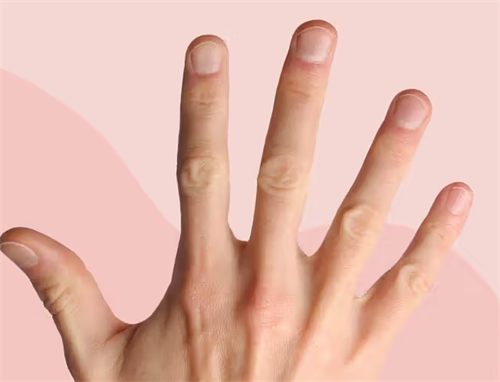
Changes in nail color, texture, or shape are sometimes the body’s subtle way of signaling underlying issues. While nail abnormalities don’t always indicate serious conditions, paying attention to them can help you detect nutritional deficiencies, infections, or even systemic diseases early on.
What Healthy Nails Look Like?
Healthy nails are typically smooth, uniform in color, and slightly pinkish due to the underlying blood flow. They should grow steadily and have a gentle curve without pits, ridges, or discoloration. Minor imperfections are normal, especially as we age, but consistent changes may warrant closer observation.
1. Pale or White Nails: Signs of Anemia or Liver Issues
If your nails appear unusually pale or almost white, it could suggest anemia, a condition in which your body lacks sufficient red blood cells to carry oxygen. Iron deficiency is one of the most common causes, often accompanied by fatigue and weakness.
Completely white nails, sometimes with darker rims, may also indicate liver problems, such as hepatitis or cirrhosis. However, mild whitening can also result from aging or frequent nail polish use.
Tip: Ensure adequate intake of iron-rich foods such as spinach, lentils, and lean meats, and consider checking your iron levels if persistent paleness is noted.
2. Yellow Nails: Possible Fungal Infection or Respiratory Problems
Nails that turn yellow are often associated with fungal infections, especially if they also become thick or brittle. This is one of the most common nail conditions and usually begins with discoloration at the nail’s edge.
In rare cases, yellow nails can also signal respiratory issues such as chronic bronchitis, or a condition known as yellow nail syndrome, which can cause slow nail growth and swelling in the lower legs.
Tip: Practice good nail hygiene, avoid prolonged use of nail polish, and consult a dermatologist if the discoloration persists.
3. Brittle or Cracked Nails: Nutritional Deficiencies or Overexposure
Frequent handwashing, harsh detergents, or cold, dry air can cause nails to become brittle or split. However, persistent brittleness may also point to nutritional deficiencies, particularly biotin, iron, or omega-3 fatty acids.
Tip: Include foods like eggs, nuts, salmon, and avocados in your diet, and use moisturizing hand creams or oils to protect your nails from dryness.
4. Blue or Purple Nails: Circulatory or Oxygenation Problems
A bluish or purplish tint in the nails may indicate poor blood circulation or low oxygen levels in the blood, often linked to conditions like heart or lung disease. Occasionally, cold weather can cause temporary color changes as blood flow decreases to the extremities.
Tip: If your nails remain discolored even in warm conditions, consult a healthcare provider to assess oxygen and cardiovascular function.
5. Ridges and Indentations: Stress or Underlying Illness
Vertical ridges, running from the base to the tip of the nail, are often a normal sign of aging. However, horizontal ridges (known as Beau’s lines) may indicate a recent illness, injury, or severe stress that temporarily disrupted nail growth. These can appear after infections, high fever, or surgery.
Tip: Support nail growth with a balanced diet rich in protein, vitamins, and minerals. Persistent or deep ridges may require medical evaluation to rule out metabolic or thyroid disorders.
6. Dark Lines or Spots: Check for Melanoma
Dark streaks or brownish spots under the nail that don’t result from injury should not be ignored. In rare cases, these may be an early sign of melanoma, a serious form of skin cancer that can develop in the nail bed.
Tip: Seek prompt medical attention if you notice a dark band that widens, changes color, or affects only one nail.
Your nails can act as a small window into your body’s overall health. While occasional changes may be harmless, persistent discoloration, ridges, or texture changes could indicate something more significant.
Recommended for you: