Is Your Sleep Type a “Bear” or a “Wolf”? Unveiling the Relationship Between Biological Clock and Sleep Quality
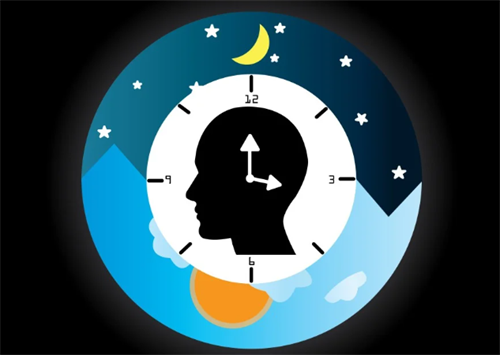
We’ve all heard the advice to get eight hours of sleep every night—but what if the real secret to better rest isn’t about how long you sleep, but when you sleep? Each person’s body has its own internal rhythm, or biological clock, that influences energy levels, alertness, and mood throughout the day.
What Is a Chronotype?
Your chronotype reflects when your body naturally prefers to sleep, wake, and be active. It’s largely determined by genetics and controlled by the circadian rhythm, the internal system that aligns your body’s functions—like hormone release, metabolism, and temperature—with the 24-hour day.
Some people feel refreshed at sunrise and fade early in the evening, while others don’t hit their stride until nightfall. These differences aren’t about willpower—they’re biological. Recognizing your natural rhythm can help you work with your body instead of fighting against it.
The Four Common Sleep Types:
Sleep researchers often describe chronotypes using animal archetypes, which make the science a little easier—and more fun—to understand.
1. The Bear
Bears make up the majority of people. Their sleep cycle follows the sun: they wake up around sunrise, feel most productive during the late morning and early afternoon, and get sleepy soon after dark. Bears do best with a consistent schedule—waking early, tackling important tasks before noon, and relaxing in the evening.
Best bedtime: Around 10–11 p.m.
Peak productivity: 9 a.m.–2 p.m.
Key tip: Don’t oversleep on weekends—it can throw your rhythm off balance.
2. The Wolf
Wolves are natural night owls. They hit their energy peak later in the day and struggle with early mornings. Wolves tend to be most alert in the late afternoon or evening, making traditional 9-to-5 schedules a challenge.
Best bedtime: Around midnight or later
Peak productivity: 4–8 p.m.
Key tip: If possible, shift demanding work to later in the day when your brain is sharpest.
3. The Lion
Lions are the classic early risers. They wake easily, feel energized in the morning, and start winding down soon after sunset. Lions often thrive in structured routines and prefer to exercise or work early in the day.
Best bedtime: Around 9–10 p.m.
Peak productivity: 7 a.m.–12 p.m.
Key tip: Plan creative or social activities earlier, since energy dips by evening.
4. The Dolphin
Dolphins are light sleepers who often struggle with insomnia or anxiety. Their brains stay active even at night, making it hard to fall or stay asleep. However, dolphins tend to have bursts of productivity mid-morning once they’re fully awake.
Best bedtime: Around 11 p.m.
Peak productivity: 9 a.m.–12 p.m.
Key tip: Establish calming bedtime rituals and limit screen exposure before sleep.
How Your Chronotype Affects Sleep Quality?
When your daily schedule doesn’t match your biological rhythm—a situation known as social jet lag—you may experience chronic fatigue, irritability, or poor concentration. For instance, a “wolf” forced to wake up early every day may never feel fully rested, while a “lion” who stays up late socializing may find mornings unbearable.
Long-term misalignment between your chronotype and lifestyle can also impact overall health. Studies suggest that people who consistently ignore their natural rhythms may face higher risks of obesity, diabetes, and mood disorders. Aligning your routine with your biological clock supports not only better sleep but also improved energy, mood, and cognitive performance.
How to Work With Your Sleep Type?
Identify your chronotype. Reflect on when you naturally feel most awake and when you tend to get sleepy. Online chronotype quizzes can help you pinpoint your type.
Adjust your schedule gradually. Small changes—like shifting your bedtime by 15 minutes—can make transitions easier.
Use light strategically. Morning sunlight helps reset your internal clock, especially for night owls. Evening light, on the other hand, should be dimmed to signal your body that it’s time to wind down.
Create consistent sleep habits. Going to bed and waking up at the same time—even on weekends—helps stabilize your rhythm.
Listen to your body. If you feel sleepy, rest. Fighting your natural signals only increases fatigue and stress.
There’s no “one-size-fits-all” approach to sleep. Whether you’re a bear who thrives on routine or a wolf who comes alive at night, understanding your chronotype allows you to make choices that fit your biological rhythm.
Recommended for you: