The Gut Microbiome: Is It the Second Brain? How to Cultivate a Healthy Stomach through Diet?
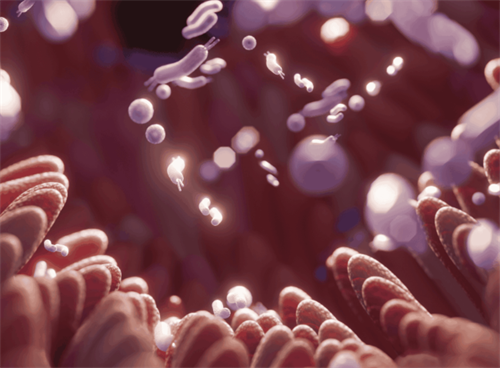
In recent years, scientists and health enthusiasts alike have increasingly referred to the gut as the “second brain.” But what does this really mean? The gut microbiome—a complex community of trillions of bacteria, viruses, fungi, and other microorganisms living in the digestive tract—plays a critical role not only in digestion but also in immunity, mental health, and overall well-being. Understanding how to nurture a healthy gut through diet can profoundly impact your physical and mental health.
What Is the Gut Microbiome?
The gut microbiome consists of a diverse ecosystem of microorganisms that coexist in the digestive system, primarily in the large intestine. These microbes help break down food, synthesize certain vitamins, and support the immune system. A balanced gut microbiome promotes efficient digestion and nutrient absorption, while imbalances—often called dysbiosis—have been linked to conditions such as irritable bowel syndrome (IBS), obesity, type 2 diabetes, and even mood disorders like anxiety and depression.
Research suggests that the gut communicates with the brain through the gut-brain axis, a network of nerves, hormones, and chemical signals. This connection helps explain why a healthy gut can influence mood, stress response, and cognitive function, earning it the nickname “second brain.”
Signs of an Unhealthy Gut:
Recognizing the signals of an imbalanced gut can help you take early action. Common signs include:
Bloating, gas, or irregular bowel movements;
Persistent fatigue or low energy;
Food intolerances or sensitivities;
Frequent infections or slow healing;
Mood swings, anxiety, or brain fog;
If you experience multiple symptoms over a prolonged period, consulting a healthcare professional or a registered dietitian is recommended.
How Diet Shapes the Gut Microbiome?
Diet is one of the most powerful tools for supporting a healthy gut. Certain foods nourish beneficial bacteria, while others may promote harmful microbial growth. Here’s how to cultivate a gut-friendly diet:
1. Prioritize Fiber-Rich Foods
Dietary fiber feeds the beneficial bacteria in your gut, encouraging their growth and diversity. Whole grains, fruits, vegetables, legumes, nuts, and seeds are excellent sources of fiber. Prebiotic-rich foods such as garlic, onions, leeks, asparagus, and bananas are particularly beneficial because they specifically nourish healthy gut bacteria.
2. Include Fermented Foods
Fermented foods provide live beneficial bacteria, known as probiotics, which can help restore balance in the gut. Yogurt, kefir, kimchi, sauerkraut, miso, and kombucha are all excellent choices. Incorporating these into your diet regularly can support digestion and immunity.
3. Limit Processed and High-Sugar Foods
Excessive sugar, refined carbohydrates, and highly processed foods can feed harmful bacteria and yeast, disrupting gut balance. Reducing consumption of sugary snacks, sodas, and processed meals helps maintain a healthier microbial environment.
4. Stay Hydrated
Adequate water intake supports digestion and helps maintain the mucosal lining of the intestines, which protects gut bacteria. Herbal teas and other non-sugary beverages also contribute to hydration.
5. Eat a Diverse Range of Foods
A varied diet encourages a diverse microbiome, which is linked to better overall health. Different types of fruits, vegetables, grains, and protein sources supply a wide range of nutrients that support various beneficial microbes.
Lifestyle Factors That Affect Gut Health
Beyond diet, lifestyle choices play an important role in gut health:
Regular exercise promotes beneficial bacterial diversity and supports bowel regularity.
Adequate sleep allows the gut and brain to repair and regulate biological rhythms.
Stress management is crucial, as chronic stress can disrupt the gut microbiome and impair digestion.
The gut microbiome is a complex, dynamic system that affects much more than digestion—it influences immunity, mood, and even brain health. By adopting a gut-friendly diet rich in fiber, fermented foods, and diverse nutrients, while limiting processed foods and sugar, you can foster a balanced microbiome that supports overall well-being.