Prediabetes – 6 Key Signs of the Golden Period for Reversal
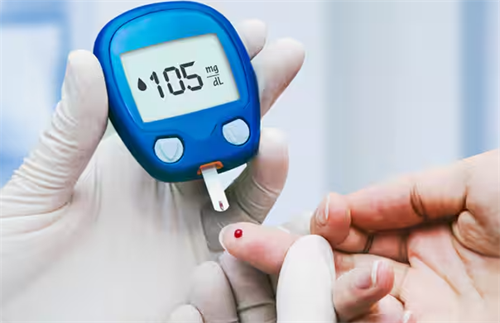
Prediabetes is a silent warning signal—an early stage in which blood sugar levels are higher than normal but not yet high enough to be classified as type 2 diabetes. According to the World Health Organization, an estimated 480 million adults worldwide have prediabetes, and many are unaware of it. The good news? This is the golden period when lifestyle changes can still reverse the condition and prevent full-blown diabetes. Recognizing the early signs is the first and most crucial step toward taking control of your health.
Here are six key indicators that your body might be in the prediabetic stage—and why early detection matters.
1. Constant Fatigue and Low Energy
When your body begins to develop insulin resistance, glucose—the main source of energy for your cells—can’t enter them efficiently. As a result, sugar accumulates in your blood instead of being used as fuel, leading to persistent tiredness even after a good night’s sleep. Many people dismiss this as simple overwork or stress, but chronic fatigue can be one of the earliest warning signs of prediabetes.
To counter this, maintaining balanced meals with fiber, protein, and healthy fats can help stabilize blood sugar levels and reduce fluctuations that drain your energy.
2. Increased Thirst and Frequent Urination
High blood sugar levels force your kidneys to work harder to filter and absorb excess glucose. When they can’t keep up, the body eliminates the extra sugar through urine—taking water along with it. This leads to dehydration, resulting in frequent urination and persistent thirst. If you find yourself drinking and urinating more than usual, especially at night, it’s worth checking your blood glucose levels.
Replacing sugary drinks with water or unsweetened tea and limiting alcohol can help reduce unnecessary sugar intake and ease the strain on your kidneys.
3. Sudden Weight Changes—Especially Around the Waist
Prediabetes often causes subtle but noticeable changes in body weight. Some people gain weight, especially around the abdomen, due to insulin resistance and increased fat storage. Others may experience unexpected weight loss if their cells are not effectively absorbing glucose. Abdominal fat, in particular, is strongly linked to metabolic disturbances and higher diabetes risk.
Regular physical activity—such as 30 minutes of brisk walking a day—helps the body use insulin more efficiently and reduces visceral fat, which is the type most harmful to metabolic health.
4. Blurred Vision or Eye Strain
High blood sugar can temporarily change the shape of the eye’s lens, causing blurry vision. Many people notice that their eyesight seems to fluctuate—sometimes clear, sometimes not—without realizing it could be related to unstable glucose levels.
While these changes are often reversible once blood sugar stabilizes, ignoring them can lead to long-term damage to the retina. Scheduling regular eye exams can help detect early signs of diabetes-related complications before they become irreversible.
5. Slow-Healing Wounds and Frequent Infections
Prediabetes can impair circulation and weaken the immune system, making it harder for the body to repair itself. You might notice that cuts, bruises, or skin infections take longer to heal. Women may experience more frequent yeast infections, while men might deal with recurring skin irritations.
Good wound care and a diet rich in antioxidants—such as fruits, vegetables, and whole grains—can support immune function and improve healing capacity. But if you notice persistent slow healing, consult a healthcare professional promptly.
6. Tingling or Numbness in Hands and Feet
Prolonged high blood sugar can start affecting the nerves, even before full diabetes develops. This condition, known as peripheral neuropathy, often begins with tingling, numbness, or a “pins and needles” sensation in the extremities. These symptoms are subtle but important indicators that your body is reacting to elevated glucose levels.
Addressing this early through improved diet, physical activity, and medical supervision can prevent permanent nerve damage.
Taking Action During the Reversal Window:
Prediabetes is not a final diagnosis—it’s an opportunity. Research shows that losing 5–7% of body weight, increasing physical activity, and making dietary adjustments can reduce the risk of developing type 2 diabetes by up to 58%.
Simple habits make a profound difference: eating more vegetables and whole grains, reducing sugary snacks, managing stress, and getting enough sleep all help restore insulin sensitivity.