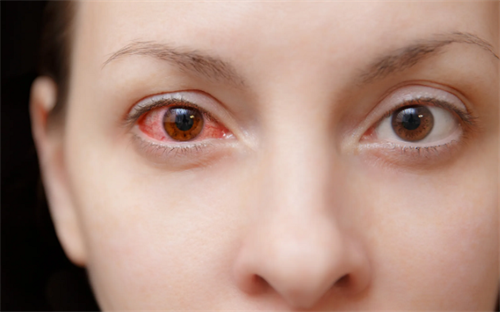
Seasonal Flu vs. Common Cold: Teach You How to Quickly Distinguish?

As the weather cools and winter approaches, many people begin to experience the familiar symptoms of runny noses, sore throats, and fatigue. But when these symptoms appear, a common question arises: Is it just a cold, or could it be the flu? Although the common cold and seasonal influenza (flu) share many similarities, they are caused by different viruses and can differ greatly in severity, duration, and potential complications. Understanding how to tell them apart — and when to seek medical care — can help you recover faster and prevent the spread of illness to others.
The Viruses Behind the Illness:
The common cold is typically caused by rhinoviruses, though coronaviruses, adenoviruses, and others can also be responsible. These viruses mainly affect the upper respiratory tract — the nose and throat — leading to mild but bothersome symptoms.
The flu, on the other hand, is caused by influenza viruses (types A and B), which infect both the upper and lower respiratory tracts. Unlike cold viruses, influenza can trigger a strong immune response, leading to systemic symptoms like high fever, body aches, and extreme fatigue. In some cases, it can lead to serious complications such as pneumonia or worsening of chronic heart and lung conditions.
Onset: How Quickly Symptoms Appear
One of the easiest ways to distinguish between the two is by looking at how quickly symptoms develop.
Flu: Symptoms often appear suddenly — a person can feel perfectly fine in the morning and bedridden by evening.
Cold: Symptoms tend to develop gradually over two or three days, starting with a mild sore throat or nasal congestion before progressing.
This difference in onset is due to how the viruses interact with the body’s immune system. Influenza viruses replicate rapidly and provoke a strong inflammatory response, while cold viruses multiply more slowly and typically stay localized.
Symptoms: Subtle but Telling Differences
While there is overlap, several key symptoms help tell the two apart:
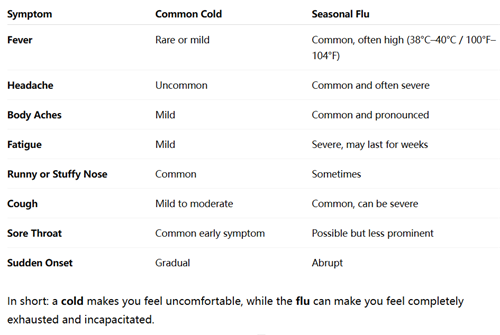
In short: a cold makes you feel uncomfortable, while the flu can make you feel completely exhausted and incapacitated.
Duration and Recovery:
A typical cold lasts around 7 to 10 days, though a lingering cough may persist slightly longer. The flu tends to last about a week as well, but recovery can take two or more weeks, especially for older adults or people with weakened immune systems. Flu-related fatigue can linger long after other symptoms disappear.
If symptoms persist beyond 10 days, worsen suddenly, or are accompanied by shortness of breath, chest pain, or high fever, it’s important to seek medical attention. Such signs could indicate complications like bacterial pneumonia or other secondary infections.
Modern Technology for Early Detection:
Today, technology is helping people distinguish between the flu and cold more accurately. Many clinics and pharmacies now offer rapid diagnostic tests that can detect influenza viruses within minutes using a nasal swab. These tests are particularly useful during flu season when symptoms overlap.
Additionally, wearable health devices and smart thermometers can track temperature fluctuations and heart rate changes — subtle indicators that help identify when the body is fighting a more serious infection. Some smartwatches even analyze sleep patterns and oxygen levels, alerting users to early signs of illness before noticeable symptoms appear.
Prevention: The Best Defense
While both illnesses spread through respiratory droplets, influenza is far more contagious and can be deadly for vulnerable populations. The most effective protection remains the annual flu vaccine, which helps the immune system recognize and fight circulating strains. Vaccination reduces not only the risk of infection but also the severity of illness if infection occurs.
For both cold and flu prevention, experts recommend simple yet powerful habits:
Wash hands frequently with soap and water.
Avoid touching your face, especially the nose and mouth.
Maintain good ventilation indoors.
Use masks or avoid crowded spaces during outbreaks.
Stay hydrated and get adequate rest to keep your immune system strong.
Knowing the Difference Matters;
Distinguishing between the common cold and the flu isn’t just a matter of comfort — it can be lifesaving. The flu can lead to serious complications if untreated, especially in young children, older adults, and people with chronic diseases.
In short, if your symptoms hit suddenly, come with a high fever, and leave you too tired to get out of bed, it’s likely the flu. If they appear gradually and remain mild, it’s probably a cold.
Recommended for you: