The Dream of Stem Cell Therapy for Diabetes: How Close Are We to Realizing It?
For decades, scientists have pursued a bold dream: using stem cells to cure diabetes. The idea is simple yet revolutionary—replace the damaged or destroyed insulin-producing cells of the pancreas with new, healthy ones derived from stem cells. Today, this dream is no longer confined to research laboratories. With recent breakthroughs and clinical trials underway, stem cell therapy for diabetes is edging closer to becoming a medical reality.
1. Understanding the Challenge of Diabetes
Diabetes, affecting over 500 million people worldwide, is one of the most pressing global health issues. It occurs when the body cannot properly produce or use insulin—the hormone that regulates blood sugar.
In Type 1 diabetes, the immune system destroys pancreatic beta cells, leaving patients dependent on lifelong insulin injections. Type 2 diabetes, which accounts for most cases, develops when the body becomes resistant to insulin or when beta cells gradually lose their function.
While current treatments help manage symptoms, they cannot restore the body’s natural ability to regulate blood glucose. This is where stem cell therapy offers a potentially life-changing solution: regenerating insulin-producing cells and restoring normal function.
2. How Stem Cell Therapy Works
Stem cells are unique because they can develop into various types of specialized cells. For diabetes treatment, scientists focus on transforming pluripotent stem cells—either embryonic stem cells or induced pluripotent stem cells (iPSCs)—into functional beta cells.
The process typically involves several stages:
Cell Differentiation: Scientists guide stem cells to mature into pancreatic progenitor cells and eventually insulin-secreting beta cells.
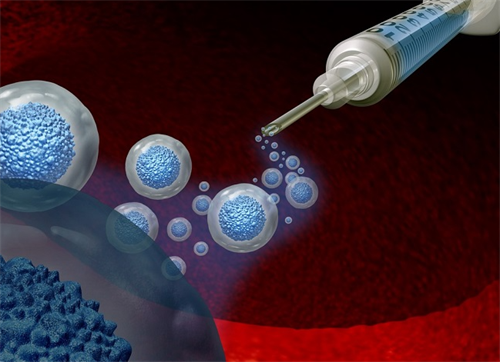
Transplantation: These cells are then implanted into the patient’s body, often in the liver, pancreas, or under the skin.
Immune Protection: Because the immune system may attack these new cells, researchers use protective encapsulation technologies or gene editing to shield them from rejection.
When successful, the transplanted cells can sense blood glucose levels and release insulin automatically—mimicking the function of a healthy pancreas.
3. Recent Breakthroughs and Clinical Trials
In recent years, the race to develop a viable stem cell-based diabetes therapy has accelerated. One of the leading programs comes from Vertex Pharmaceuticals, whose experimental treatment VX-880 has shown remarkable promise in early trials.
In 2023, Vertex reported that several patients with Type 1 diabetes were able to reduce or even eliminate their dependence on insulin after receiving partial doses of stem cell-derived beta cells. The results marked one of the most significant milestones in regenerative medicine.
Another notable approach, developed by ViaCyte (acquired by Vertex), uses an encapsulation device that protects implanted cells from immune attack while allowing insulin and nutrients to pass through. This could remove the need for lifelong immunosuppressive drugs—a key hurdle in transplantation therapy.
Meanwhile, research groups in Japan and South Korea are using induced pluripotent stem cells to create personalized therapies derived from a patient’s own cells, which may further reduce the risk of immune rejection.
4. Remaining Challenges on the Road to a Cure
Despite the optimism, several scientific and logistical challenges remain.
First, ensuring long-term cell survival and function is critical. Even with protective measures, transplanted beta cells may lose activity over time or be attacked by the immune system. Researchers are working to improve cell durability and create immune-evasive lines through gene editing technologies like CRISPR.
Second, scalability and cost present major barriers. Producing stem cell-derived therapies under clinical-grade conditions is complex and expensive. To make treatment widely accessible, manufacturing processes must become more efficient and standardized.
Finally, ethical and regulatory hurdles persist, particularly concerning the use of embryonic stem cells. While iPSC technology has helped alleviate these concerns, global regulatory agencies must ensure that therapies are safe, effective, and ethically sound before they reach patients.
Experts predict that within the next five to ten years, stem cell therapy for diabetes could transition from experimental trials to early commercial use. Initially, it will likely be available for Type 1 diabetes patients who have the most to gain from cell replacement therapies.
Over time, as techniques improve, these treatments may also benefit people with advanced Type 2 diabetes, potentially restoring their own insulin production capacity.
Recommended for you: