The Silent Killer: Osteoporosis – More Than Just Calcium Supplementation
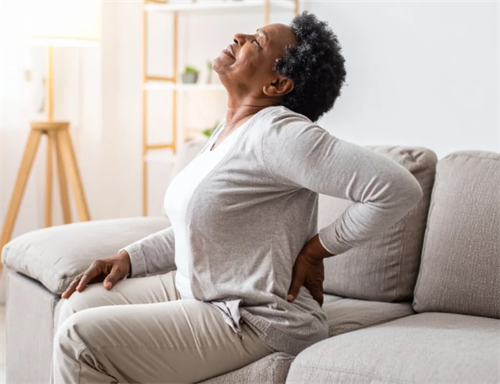
As populations around the world age, osteoporosis has become a global health concern, affecting more than 200 million people, particularly postmenopausal women and older adults. However, one of the biggest misconceptions about this condition is that it can be prevented or treated simply by taking calcium supplements. In reality, the science behind bone health is far more complex.
Understanding the Silent Process:
Bones may appear solid and static, but they are, in fact, living tissues constantly undergoing renewal through a process known as bone remodeling. This involves two main types of cells: osteoclasts, which break down old bone tissue, and osteoblasts, which build new bone. When these two forces fall out of balance—particularly when bone loss exceeds bone formation—osteoporosis begins to develop.
With age, hormonal changes, especially the decline in estrogen after menopause, accelerate bone resorption. The result is a gradual loss of bone mass and structural integrity, making bones porous and brittle. Unfortunately, this process is usually asymptomatic until a minor fall or even a simple movement causes a fracture, most commonly in the spine, hip, or wrist.
Beyond Calcium: The True Pillars of Bone Health
For decades, calcium has been the poster nutrient for bone health. It’s true that calcium is an essential mineral for building and maintaining strong bones, but it’s only one piece of the puzzle. Research increasingly shows that taking calcium alone offers limited protection if other key factors are neglected.
Vitamin D is the first critical partner. Without adequate vitamin D, the body cannot effectively absorb calcium from food or supplements. Sunlight exposure is a natural source, but modern lifestyles often mean people spend less time outdoors. In such cases, dietary sources like fatty fish, egg yolks, and fortified milk, or supplements, may be necessary to maintain optimal levels.
Protein intake is another underestimated factor. Protein supports bone matrix formation and muscle strength, both essential in preventing falls and fractures. Diets too low in protein—common among the elderly—can weaken both bone and muscle tissue, compounding the risk.
Moreover, magnesium, vitamin K2, and phosphorus play synergistic roles in maintaining bone mineralization and directing calcium to the right places—into bones rather than blood vessels. This is why a balanced diet rich in fruits, vegetables, whole grains, lean proteins, and dairy (or fortified alternatives) remains the most effective long-term strategy for bone health.
Lifestyle Factors: The Hidden Influencers
Bones respond to mechanical stress. That means regular physical activity—especially weight-bearing exercises like walking, dancing, or resistance training—stimulates bone formation. Sedentary lifestyles, on the other hand, accelerate bone loss.
Smoking and excessive alcohol intake are also significant risk factors. Nicotine interferes with bone-building cells, while alcohol disrupts the balance of calcium and hormones necessary for bone maintenance. Managing these habits can significantly reduce the risk of osteoporosis.
Additionally, chronic stress and poor sleep are increasingly recognized as contributors. Elevated cortisol levels from prolonged stress can promote bone breakdown, while sleep deprivation affects hormonal balance, further impairing bone regeneration.
Modern Technology and Early Detection:
Advancements in medical imaging have transformed osteoporosis diagnosis. Dual-energy X-ray absorptiometry (DEXA) scans are the gold standard for measuring bone mineral density (BMD), enabling early detection before fractures occur. Emerging technologies, such as high-resolution peripheral quantitative computed tomography (HR-pQCT) and AI-driven risk prediction models, are further improving accuracy and accessibility.
Wearable devices and digital health platforms are also being developed to monitor physical activity, vitamin D exposure, and dietary intake, empowering individuals to take a more active role in bone health management.
Osteoporosis is indeed a silent killer—but it doesn’t strike without warning. The key lies in awareness, early detection, and a holistic approach that goes beyond calcium tablets. Strong bones depend on a combination of nutrition, exercise, hormonal balance, and healthy lifestyle choices.
Recommended for you: